
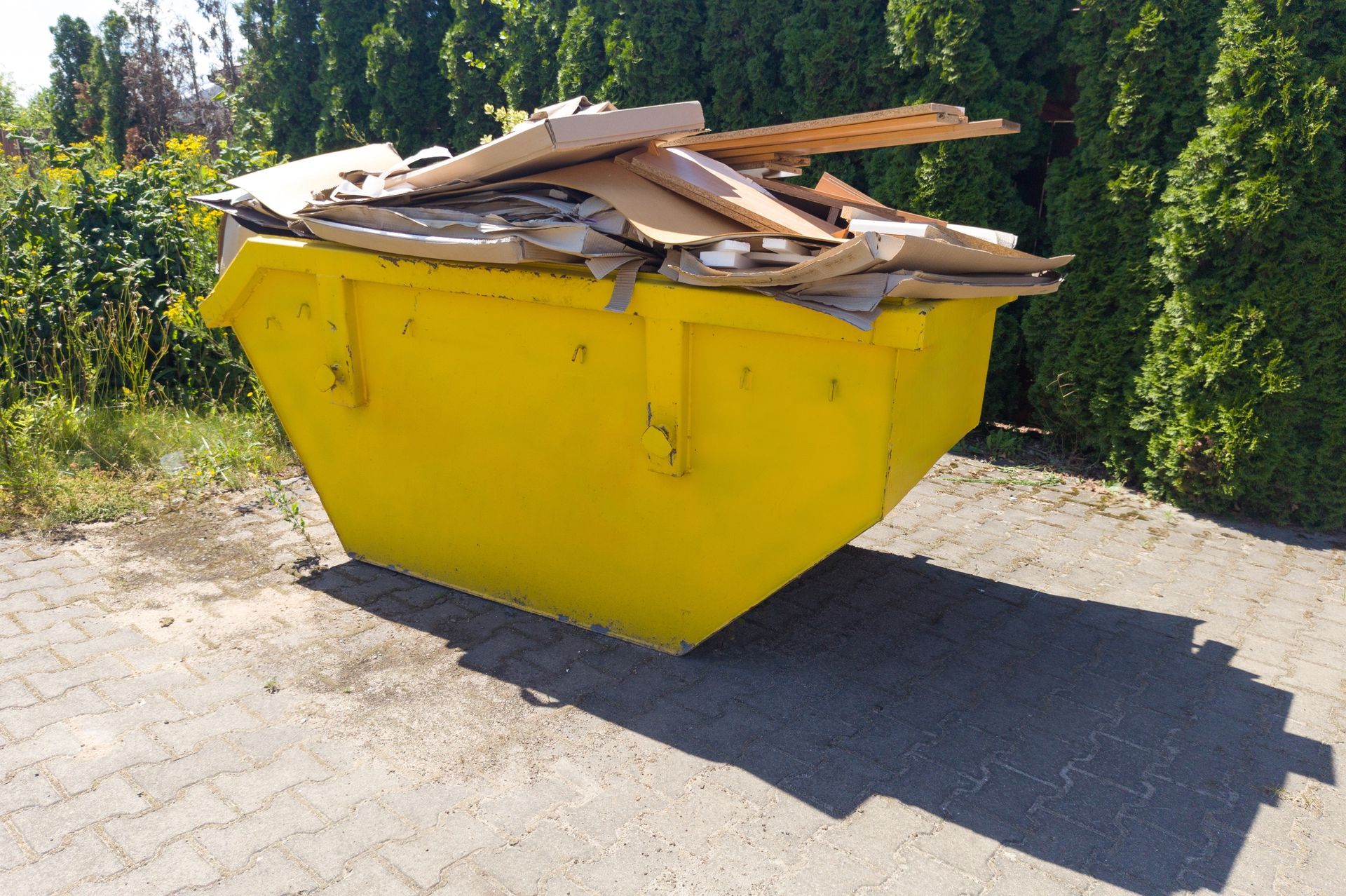
Job Sites Cleared Throughout Project Phases
Construction Debris Removal in San Angelo for contractors, builders, and property owners maintaining safer work environments during renovations
Drywall scraps, discarded flooring remnants, packaging materials, and fixture components accumulate rapidly during construction projects, creating tripping hazards and limiting workspace efficiency. Top Gun Junk Removal handles the removal of wood offcuts, drywall waste, old flooring materials, replaced fixtures, cardboard packaging, and renovation debris from residential and commercial job sites in San Angelo, Christoval, Miles, and surrounding areas. The service keeps work areas organized as projects progress through demolition, framing, and finishing stages.
Construction debris removal involves sorting materials by type when possible, loading waste into appropriate hauling vehicles, and timing pickups to match project milestones so debris doesn't accumulate faster than it's cleared. Contractors benefit when debris leaves the site before it blocks access to work areas or creates safety violations during inspections.
Arrange debris pickup aligned with your project timeline to maintain clearer pathways and reduce on-site hazards.
How Debris Removal Addresses Worksite Challenges
Managing construction waste requires coordinating removal frequency with demolition intensity and installation phases, ensuring debris doesn't obstruct doorways, staircases, or areas where workers need access to complete subsequent tasks. Projects generating significant drywall dust and wood scraps during framing need more frequent clearing than finish work producing minimal waste, and timing removal incorrectly leaves crews navigating around piles that slow productivity.
Once debris clears from a worksite, crews move more efficiently between tasks without stepping over scrap piles, inspection walkthroughs proceed without safety concerns about obstructed exits, and property owners see tangible progress rather than chaos obscuring completed work. Cleared floors reveal finished subfloors ready for final covering, empty rooms show completed framing without visual clutter from discarded materials, and exterior areas become accessible for equipment staging once hauled waste no longer blocks entry points.
The service handles wood, drywall, flooring materials, packaging, and general renovation waste, but it does not include removal of hazardous materials like asbestos-containing products, lead-based paint debris, or chemical containers requiring specialized disposal. Projects involving these materials need separate handling through licensed hazardous waste contractors before general debris removal can proceed.
Answers to Frequent Service Questions
Contractors and property owners managing construction projects in San Angelo and neighboring communities typically ask about debris removal logistics before starting work.
Top Gun Junk Removal supports construction projects throughout the San Angelo area with debris removal scheduled around your build timeline. Call (325) 249-1720 to coordinate pickup based on your project's waste generation and completion deadlines.
What construction materials are removed?
Wood scraps, drywall pieces, old flooring, removed fixtures, cardboard packaging, trim offcuts, insulation waste, and general renovation debris are all handled, covering most non-hazardous waste generated during residential and commercial construction phases.
How often should debris be removed during a project?
Demolition phases generating large volumes of material may need removal every few days, while finish work producing minimal waste might only require pickup at project completion, with timing adjusted based on how quickly debris accumulates and impacts workspace functionality.
What preparation is needed before debris pickup?
Consolidating debris into accessible areas near exits or loading zones speeds the removal process, though crews can gather scattered materials if project schedules don't allow time for pre-sorting by trade contractors.
How does San Angelo's construction activity affect scheduling?
Projects concentrated in growing residential areas or commercial corridors may experience higher demand during peak building seasons, making advance scheduling beneficial for ensuring debris removal aligns with critical project milestones rather than causing delays.
What happens if hazardous materials are discovered during demolition?
Work stops on removing those specific materials until proper hazardous waste protocols are followed, preventing contamination of standard debris loads and ensuring compliance with regulations governing lead, asbestos, and chemical waste handling.